Estimated reading time: 5 minutes
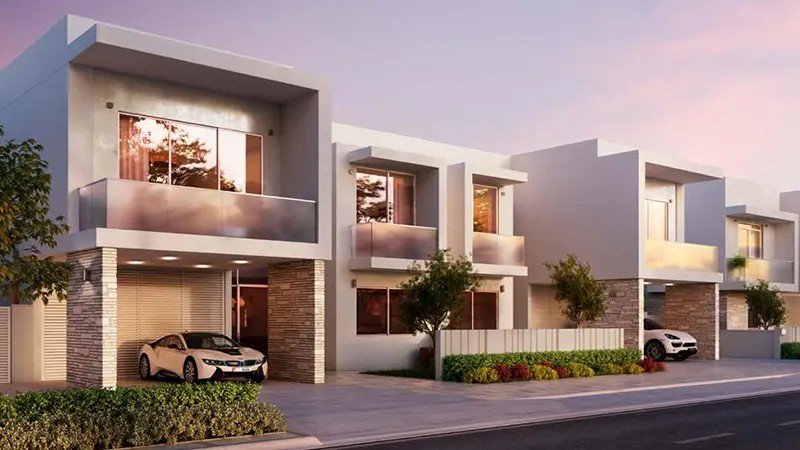
Aldar Properties has reported revenues of more than $490 million from the complete sell-out of its latest residential community, Al Deem, underscoring the strength of demand for new housing in Abu Dhabi. The developer said all 450 townhomes in the project were purchased by UAE nationals, with transactions totaling AED 1.8 billion.
The project, located northeast of Yas Island, was launched as part of Aldar’s broader strategy to create master-planned communities that reflect the preferences of Emirati families. The swift sell-out highlights both the appetite for premium residential options and the company’s ability to capture demand in a competitive market.
Data released by Aldar shows a diverse buyer base. Men accounted for 68 percent of purchases, while women represented 32 percent, a share that analysts say is consistent with rising female participation in property ownership across the Emirates. Notably, 44 percent of sales came from recurring customers, while 56 percent represented first-time Aldar buyers. This balance suggests the project appealed both to loyal investors and new entrants looking for a foothold in Abu Dhabi real estate.
Age demographics also offered insight. Sixty-four percent of buyers were under the age of 45, pointing to a generational shift toward homeownership in planned communities. Among all purchasers, 63 percent intend to live in Al Deem themselves, rather than renting or reselling, suggesting that end-user demand remains a critical driver of the market. Aldar reported that 84 percent of the buyers are Abu Dhabi residents, while the remainder came from other emirates.
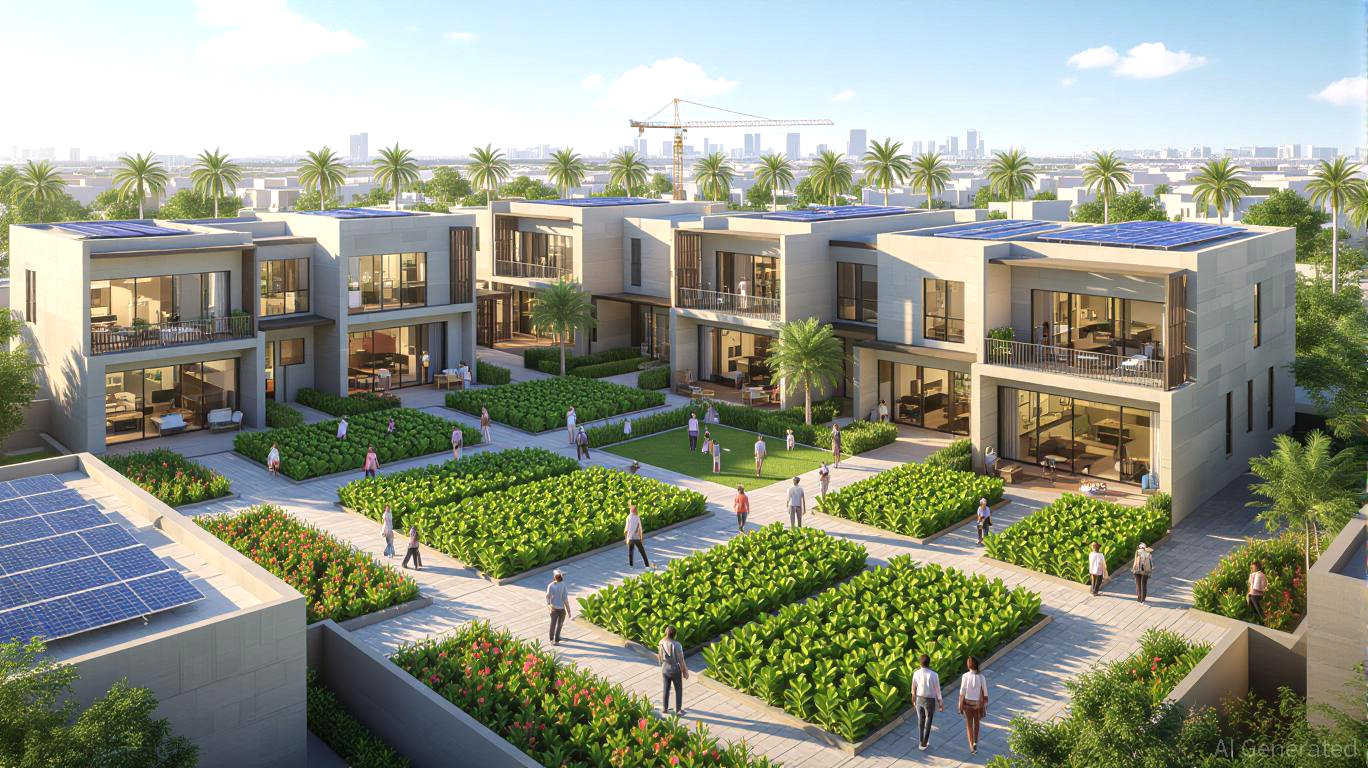
The residential offering includes a mix of conventional family townhomes and 26 live-work units, a relatively new concept in the UAE. These residences combine living and commercial space, allowing owners to run small businesses such as cafés, studios, or boutique retail outlets within the community. Industry observers say the popularity of these hybrid units signals a shift in lifestyle preferences, particularly among younger buyers and entrepreneurs seeking flexibility.
Analysts believe the performance of Aldar Al Deem townhomes is another indicator of Abu Dhabi’s resilient real estate sector. Despite global uncertainty, housing demand has remained strong in the capital, driven by population growth, supportive government policies, and expanding infrastructure. Developers have responded with projects that blend modern amenities with cultural considerations, a formula that appears to be resonating with Emirati families.
Al Deem is designed as part of a larger master community. Facilities include a mosque, schools, a community center, a health clinic, landscaped parks, and retail outlets, aiming to provide residents with an integrated lifestyle. The addition of two new bridges connecting the area to Yas Island will shorten travel times and improve access to dining, leisure, and entertainment destinations. Connectivity to Zayed International Airport, central Abu Dhabi, and Dubai is expected to strengthen the community’s appeal further.
The project’s quick absorption also reflects broader patterns across the UAE property market. Abu Dhabi and Dubai have both recorded record sales in the past two years, with demand concentrated in family-oriented neighborhoods and master-planned communities. Developers say the shift reflects buyers’ post-pandemic priorities, with greater emphasis on space, amenities, and community living.
The introduction of live-work residences is being closely watched by the industry. While common in other global cities, the model is still relatively rare in the Emirates. Aldar’s decision to incorporate such units signals confidence in a growing segment of residents who seek to combine professional and residential life in one location. Market analysts suggest similar offerings could become more common as urban planning adapts to new forms of work and entrepreneurship.
For Aldar, the Al Deem launch is part of a broader expansion strategy that includes new communities across Yas Island and Saadiyat Island. The developer has consistently emphasized its commitment to meeting the evolving needs of UAE nationals, who form the backbone of its customer base. By blending traditional architectural values with modern features, the company is positioning itself to capture both cultural loyalty and contemporary aspirations.
Looking ahead, the success of the project may encourage more developers to target Emirati buyers with bespoke communities. While international demand has fueled record-breaking transactions in Dubai, Abu Dhabi’s focus on housing for citizens remains a key priority. The Al Deem sales figures suggest that appetite will remain strong as long as projects combine location, amenities, and cultural resonance.
In a statement, Aldar officials framed the sell-out as evidence of the company’s ability to anticipate demand and deliver projects aligned with national housing priorities. With sales completed in a relatively short timeframe, the launch of Al Deem reinforces Abu Dhabi’s position as one of the most active real estate markets in the region.
They are a new residential project northeast of Yas Island, designed for Emirati families, featuring 450 homes and 26 live-work residences.
The company reported sales exceeding AED 1.8 billion ($490 million) from the complete sell-out of the project.
Sixty-eight percent were men, 32 percent women, with most buyers under 45. A majority were Abu Dhabi residents.
They allow owners to combine living and commercial use, supporting cafés, studios, or boutiques — a new concept in the UAE market.
Two new bridges will link the community to Yas Island, with easy access to Zayed International Airport, central Abu Dhabi, and Dubai.